How long do gutters really last?
Summary:
Gutters may look simple, but they play an important role in protecting your house. They capture rainwater from the roof and channel it away from the foundation and the walls. Without working gutters, rain can leak into your basement, erode the soil around your home and even cause roof or siding damage. For homeowners across the United States, taking care of gutters means preventing thousands of dollars in repairs down the road. A big part of that care involves understanding how long different gutters last and what influences their lifespan.
Like other parts of a house, gutters don’t last forever. They wear out because of exposure to sun, rain, snow, wind and debris. However, not all gutters have the same life expectancy. The material they are made from, where the house is located, seasonal weather patterns, and how well the gutters are maintained all play a role. This article breaks down the typical lifespans of common gutter materials, explains how climate and seasons affect them, discusses the impact of leaves and animals, and offers simple maintenance tips for homeowners. Written at an eighth‑grade reading level, it aims to help homeowners across the country choose and care for gutters that will last.
Gutter materials and their longevity
One of the biggest factors in gutter lifespan is the material. Different metals and plastics have different strengths, weights, costs, and resistance to weather. Below are the most common gutter materials, along with their typical lifespans and key advantages and disadvantages.
Aluminum gutters (about 20–30 years)
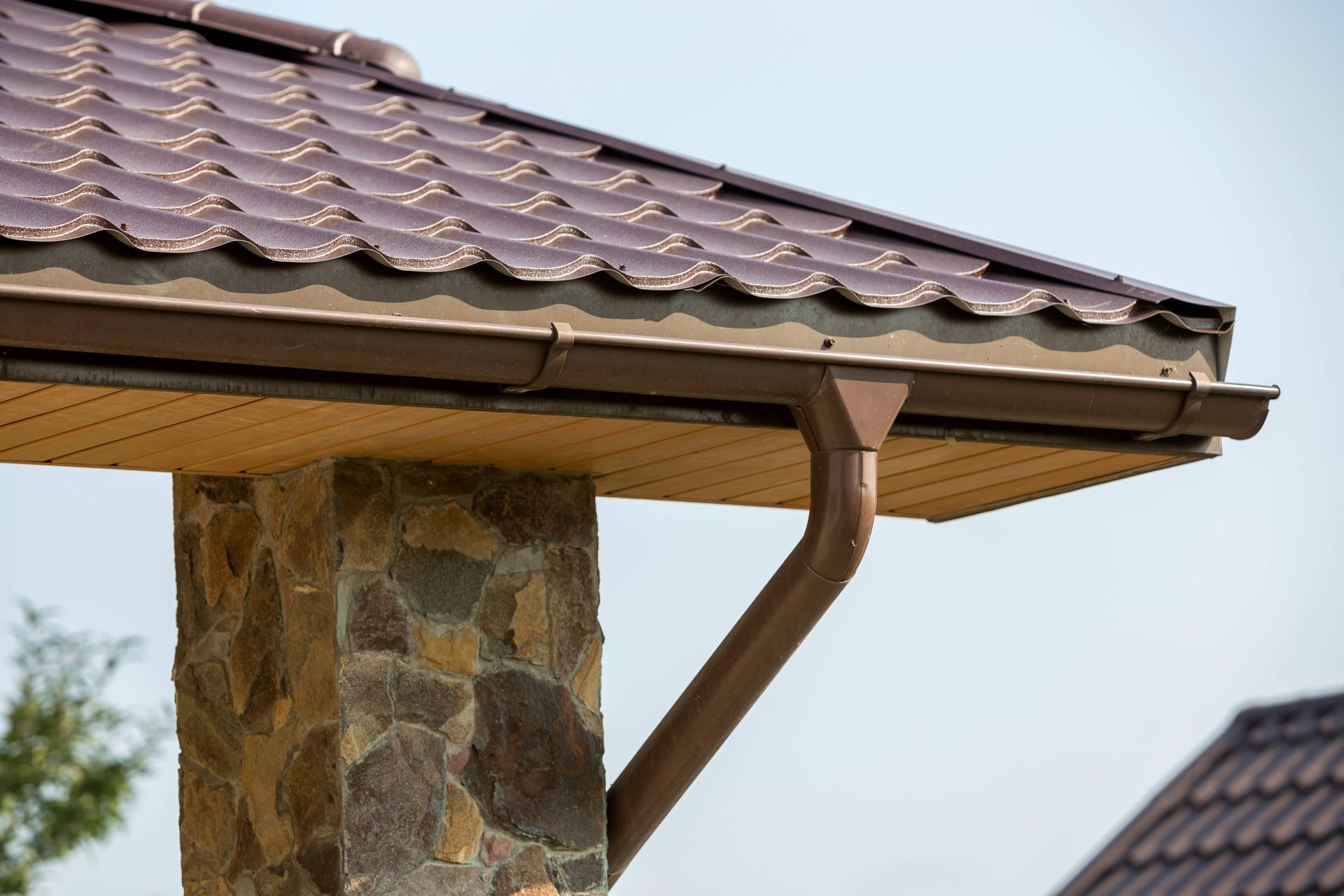
Aluminum is the most popular material for gutters. It is lightweight, doesn’t rust easily and is relatively affordable. Many homeowners choose aluminum because it offers a good balance between price and performance. According to home improvement sources, aluminum gutters typically last around 20 to 30 years. Seamless aluminum gutters – those formed in one long piece rather than in sections – often last toward the higher end of that range because they have fewer joints that can leak.
Advantages: Aluminum resists rust better than steel, making it suitable for most climates. It is lightweight, making it easier to install, and it can be painted to match a home’s trim. Aluminum gutters also come in seamless options, which reduces leaks and enhances durability. In colder regions where snow and ice can add weight to the gutter system, aluminum’s flexibility helps it survive freeze‑thaw cycles.
Disadvantages: Aluminum gutters are softer than steel. They can dent if branches fall on them or if ladders lean against them. In coastal areas with salty air, uncoated aluminum may still corrode over time. Additionally, if painted, the finish can fade in very hot climates because of strong ultraviolet (UV) exposure. Proper coating and occasional repainting can reduce this issue.

Vinyl or PVC gutters (about 10–20 years)
Vinyl gutters are made from rigid plastic (PVC). They are usually the least expensive option and are popular for DIY installations because the sections snap together without the need for special tools. However, vinyl is less durable than metal. Many sources note that vinyl gutters typically last 10 years, depending on climate and quality. In cold or hot regions, vinyl may crack or warp.
Advantages: Vinyl does not rust and is lightweight. It’s also inexpensive and easy to cut and install, requiring no specialized equipment. For homeowners who need a quick and affordable replacement, vinyl can be a short‑term solution.
Disadvantages: The major drawback of vinyl is its sensitivity to temperature changes. In cold climates, vinyl can become brittle and crack during freeze‑thaw cycles. In very hot climates, vinyl may warp or sag under its own weight. It also fades from sun exposure and has fewer color options than metals. Because vinyl gutters come in sections rather than seamless lengths, the joints can separate or leak over time. Overall, vinyl is best suited for mild climates and budgets that require the lowest initial cost.
Galvanized steel gutters (about 20–30 years)
Galvanized steel gutters are made from steel coated with a layer of zinc to prevent rusting. These gutters are stronger than aluminum or vinyl and can handle heavy snow loads. They typically last about 20 to 30 years. When the zinc coating wears away, however, rust can form, especially if they are not cleaned regularly.
Advantages: Steel is durable and resists dents from falling branches. It works well in areas with high winds or heavy snow because it can support more weight than aluminum or vinyl. Galvanized steel is also less expensive than copper.
Disadvantages:
Even with a zinc coating, galvanized steel can eventually rust, particularly in coastal regions where salty air accelerates corrosion. Over time, the finish may scratch, and rust spots may appear. Galvanized steel gutters are also heavier than aluminum and require strong fascia boards and secure fasteners. They must be painted or treated periodically to prevent rusting. Professional installation is recommended because the sections are heavier and more challenging to work with than those made of aluminum or vinyl.
Stainless steel gutters (about 40–50 years)
Stainless steel gutters are less common but offer excellent durability. They are made from steel alloys that resist corrosion better than galvanized steel. Stainless steel gutters can last 40 to 50 years or longer when properly maintained. They are often chosen for custom or high‑end homes where longevity and appearance are top priorities.
Advantages: Stainless steel resists rust even in coastal climates and can handle heavy snow and ice. Its smooth surface discourages buildup of debris and is less prone to staining. Stainless gutters can also be left unpainted for a sleek look.
Disadvantages: The primary drawback is the cost. Stainless steel gutters are among the most expensive options, and they are heavier than aluminum, requiring sturdy mounting hardware. Because of the higher price, homeowners should weigh long‑term maintenance savings against the initial investment.
Copper gutters (about 50–100 years)
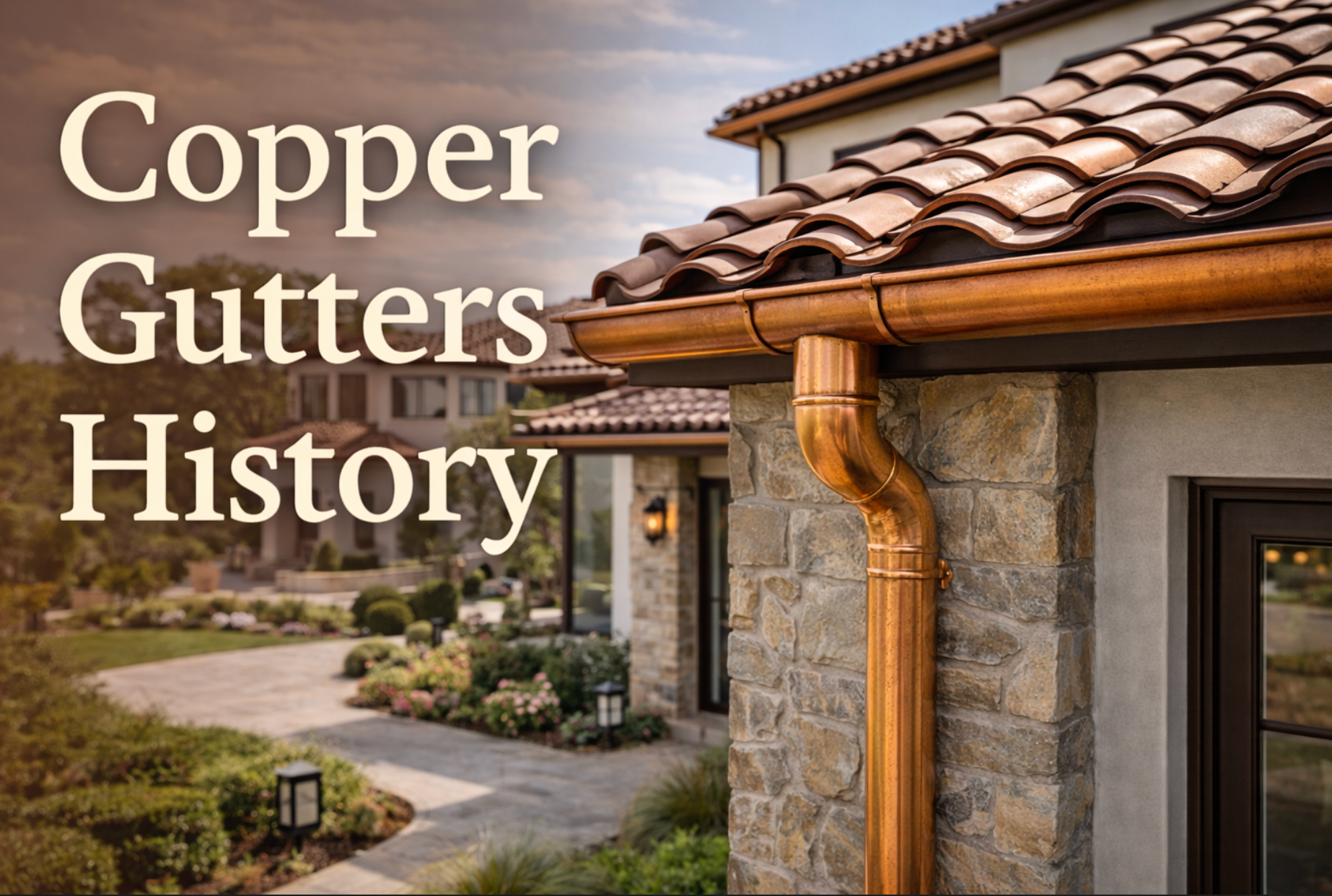
Copper gutters are prized for their beauty and long life. They develop a natural patina over time, changing from bright penny color to a muted green. Copper gutters can last 50 to 100 years, making them a long‑term investment for historic or custom homes.
Advantages: Copper is highly resistant to corrosion and performs well in various climates. The patina actually protects the metal underneath from further weathering. Copper gutters often come in seamless form and have soldered joints, rather than snap-together sections, which reduces the chance of leaks. They also add curb appeal and can increase a home’s value.
Disadvantages: Cost is the biggest drawback. Copper gutters are significantly more expensive than those made of aluminum or vinyl. They also require professional installation because the joints are usually soldered. Some homeowners may not like the change in color over time. Nevertheless, for those seeking longevity and a distinctive look, copper remains one of the best choices.
Zinc gutters (about 30–50 years)
Zinc gutters are less common in the United States but are gaining popularity because of their durability and unique appearance. Made from zinc or zinc‑titanium alloy, these gutters typically last 30 to 50 years. Like copper, zinc develops a patina that protects the metal underneath.
Advantages: Zinc gutters resist corrosion and require little maintenance once installed. The patina helps heal minor scratches. They are also 100 percent recyclable, making them an environmentally friendly choice.
Disadvantages: Zinc gutters are more expensive than aluminum or steel but generally less costly than copper. They require professional installation because improper soldering or sealing can lead to leaks. Additionally, zinc gutters should be installed over wooden or zinc‑coated fascia boards; contact with untreated steel or iron can cause galvanic corrosion.
Other materials (wood, composite, and plastic hybrids)
In rare cases, gutters can be made from wood, composites, or specialized plastics. Historically, wooden gutters were used on older homes, but they require regular sealing and maintenance to prevent rot. Some modern composites utilize recycled plastics and wood fibers to strike a balance between durability and eco-friendliness. These materials vary widely in lifespan and cost, so homeowners should consult manufacturers’ data and warranties before choosing them.

How location and climate affect gutter life
The region where a person lives plays a big role in how long gutters last. Weather conditions such as heavy rain, snow, and ice, high temperatures, salty coastal air, and strong winds all put different stresses on gutter systems. Understanding these factors helps homeowners select the appropriate material and design for their specific climate.
Heavy rain and stormy climates
In regions with frequent downpours, gutters must quickly handle large volumes of water. Standard gutters are typically five inches wide, but heavy rain may overwhelm them. Experts recommend six‑inch gutters in areas prone to intense rainfall. Oversized downspouts are equally important; small downspouts can cause water to back up and overflow. Materials like aluminum and steel perform well in rainy climates because they resist warping and cracking. Seamless gutters are also beneficial since they have fewer seams, which means fewer potential leaks during storms. In tropical areas susceptible to hurricanes, homeowners should ensure their gutters are firmly attached with strong hangers to withstand high winds and the weight of heavy water.
Snow, ice, and freezing conditions
For northern states and mountain regions, snow and ice can dramatically shorten gutter life. Snow weighs down gutters, and ice buildup can create blockages. When water freezes in a gutter, it expands and can push seams apart, causing leaks. The freeze-thaw cycle also stresses the material; seamless gutters and those made of durable metals like steel or copper fare better in these environments. Proper roof insulation and ventilation can help reduce ice dams, and heating cables along the gutter edge can assist in melting snow and preventing freezing. Regularly clearing snow from the roof edge reduces the weight on the gutters.
Hot, sunny, and arid climates
In desert or southern climates with intense heat and strong sun, some gutter materials may degrade quickly. Vinyl can warp or sag, while painted surfaces may fade or peel. Aluminum performs better under heat, but the finish can chalk or oxidize over time. Copper and zinc are more heat-resistant and maintain their structural integrity, although the patina color will develop more quickly. In arid regions where dust and ash from wildfires are common, fine particles can clog gutters and downspouts. Installing micro‑mesh gutter guards can help keep out dust and debris while allowing rainwater to flow through.
Coastal and humid environments
Living near the ocean brings the challenge of salt‑laden air and high humidity. Salt accelerates corrosion, causing metals to rust and coatings to deteriorate more quickly. Wooden fascia boards can rot faster if constantly exposed to salt spray. In these areas, premium materials like copper or stainless steel are the best choice because they resist corrosion much better than galvanized steel or untreated aluminum. Homeowners should also consider installing micro‑mesh gutter guards to limit debris and moisture buildup, which can stick to the wet salt film. Regular rinsing of gutters with fresh water can help remove salt deposits.
High winds and storm‑prone regions
In the central Plains, Midwest, and other regions prone to strong winds or tornadoes, gutters must withstand lifting forces and flying debris. High winds can blow leaves, twigs, and roof shingles into the gutter system, causing clogs and adding weight. Gutter systems should utilize heavy-duty fasteners and brackets to ensure they remain securely attached to the fascia. Galvanized or stainless steel gutters can resist dents from wind-blown debris better than softer metals, such as aluminum. Gutter guards that securely attach to the top of the gutter can help prevent wind‑swept debris from entering. Trimming overhanging branches and routinely checking for loose fasteners will keep gutters secure.
Regional examples
- Northeast and Midwest: These regions experience four distinct seasons. Homeowners should be prepared for spring rain, summer thunderstorms, autumn leaves, and winter snow. Durable materials, such as aluminum, steel, and copper, combined with seamless construction, help gutters withstand these varied conditions.
- Southeast and Gulf Coast regions: Humid climates with frequent storms and hurricanes require gutters that resist corrosion and can withstand heavy rainfall. Six‑inch aluminum gutters with large downspouts and secure hangers are common, while copper and stainless steel are good options for coastal zones. Storm shutters and rain diverters can prevent heavy gusts from damaging gutters.
- Southwest and West: Hot, dry regions with occasional monsoon rains or wildfire ash need gutters that withstand heat and resist warping. Aluminum, copper or zinc are suitable. In wildfire zones, metal gutters are preferred over plastic because embers can melt vinyl and ignite wooden fascia boards. Micro‑mesh screens help keep out fine ash.
- Pacific Northwest: Constant drizzle and evergreen needles require gutters with fine screens to prevent clogging. Moss and algae may form on gutters in shady areas; copper and zinc release natural compounds that inhibit the growth of moss. Oversized gutters can handle the occasional heavy downpour, and downspout extensions direct water away from foundations.
How location and climate affect gutter life
Latest Posts