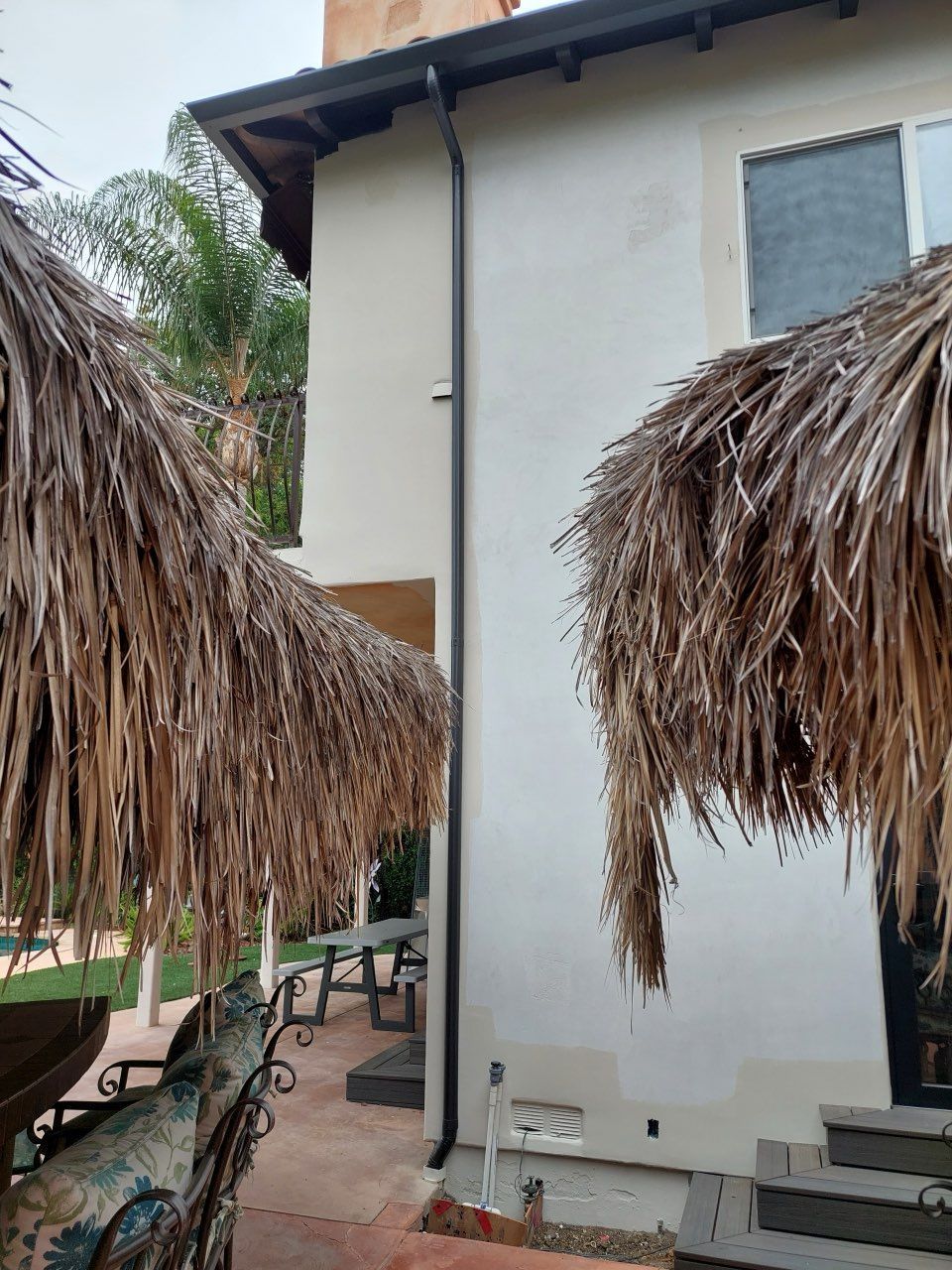
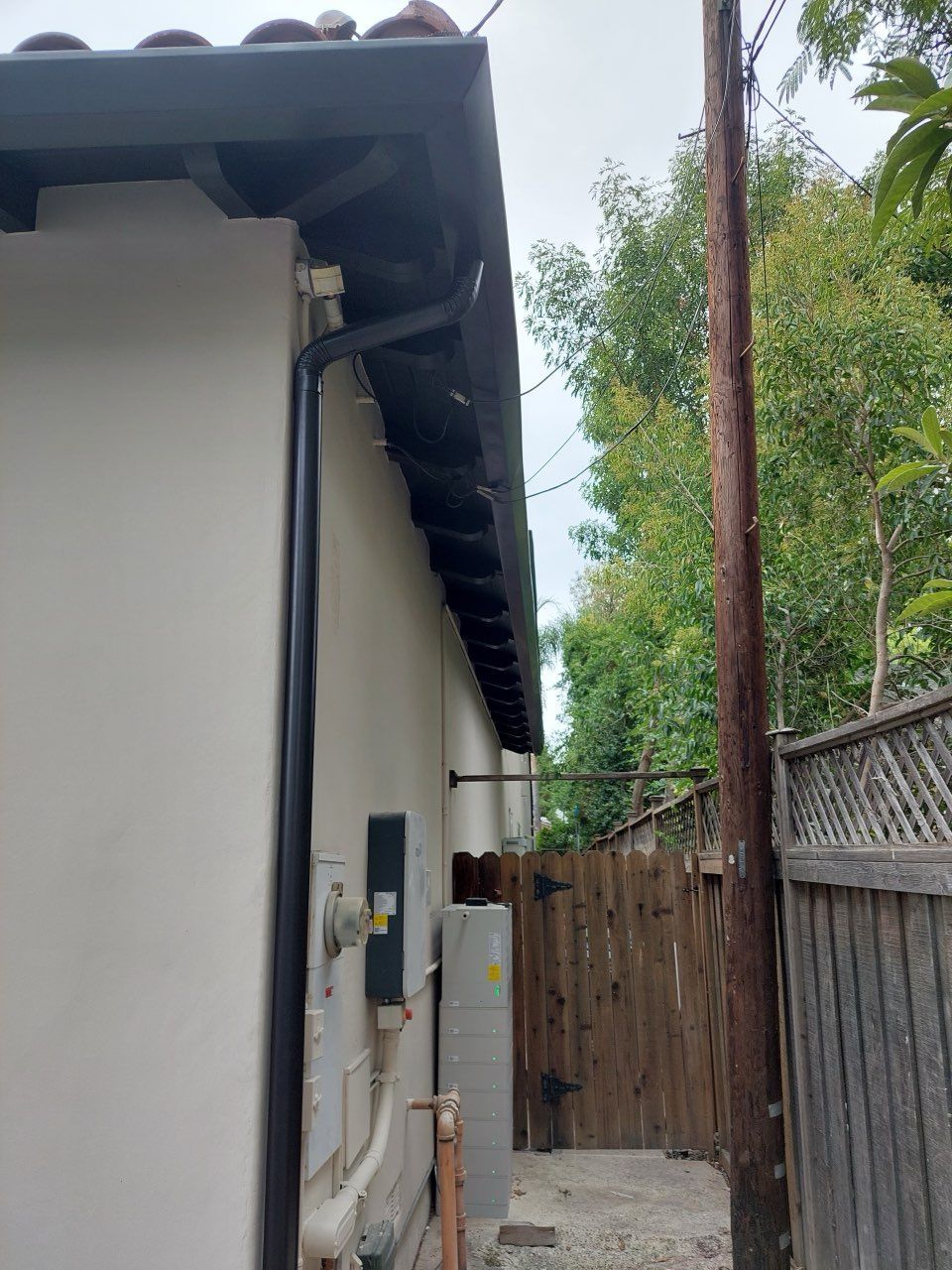

The Perfect Downspout Placement for Los Angeles and Ventura County Homes
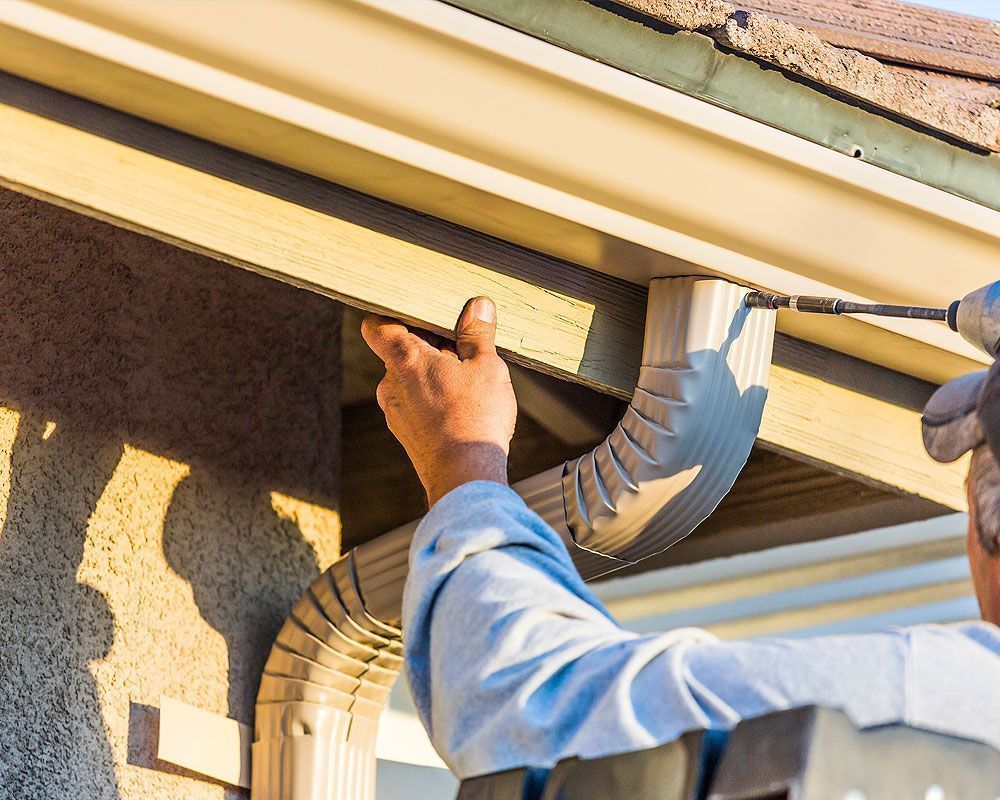
When it comes to protecting your home from water damage, downspout placement is crucial. Properly placed downspouts ensure that rainwater is effectively directed away from your home, preventing costly repairs and maintaining the integrity of your property. In this article, we’ll explore the best practices for downspout placement to keep your home safe and dry. Whether you’re a homeowner, part of a Homeowners Association (HOA), or a property manager in Los Angeles and Ventura counties, this guide is for you.

Protecting Your Foundation
One of the main reasons to focus on downspout placement is to protect your home’s foundation. Poorly positioned downspouts can lead to water pooling around your foundation, causing cracks and structural damage. Over time, this can lead to serious issues that are expensive to fix.
Preventing Basement Flooding
Improperly directed water can seep into your basement, leading to flooding and the growth of mold. Ensuring your downspouts direct water away from the house can prevent these problems and keep your basement dry and safe.
Avoiding Landscape Damage
Water that isn’t properly channeled can ruin your landscaping, erode soil, and damage plants. Proper downspout placement helps maintain the beauty and health of your yard.
Why Downspouts Placement Matters

Position Downspouts Strategically
Away from the Foundation: Place downspouts at least 4 to 6 feet away from the foundation of your home. This ensures that water is discharged far enough away to prevent damage. Low Points in the Yard: Position downspouts where the land slopes away from your house. This helps water flow naturally away from the foundation. Avoid Walkways and Driveways: Direct water away from high-traffic areas to prevent slippery surfaces and potential accidents.
Use Extensions and Splash Blocks
Extensions: Downspout extensions help carry water even further away from your home. They are an easy and effective way to enhance your drainage system. Splash Blocks: These are placed at the end of downspouts to disperse water and prevent soil erosion. They also help direct water away from your foundation.
Regular Maintenance
Clean Gutters and Downspouts: Regularly clean your gutters and downspouts to ensure they are free of debris. Clogged gutters can cause water to overflow and damage your home. Inspect for Damage: Periodically check your downspouts for any signs of damage or leaks. Promptly repairing any issues will help maintain an effective drainage system.
Best Practices for Downspout Placement
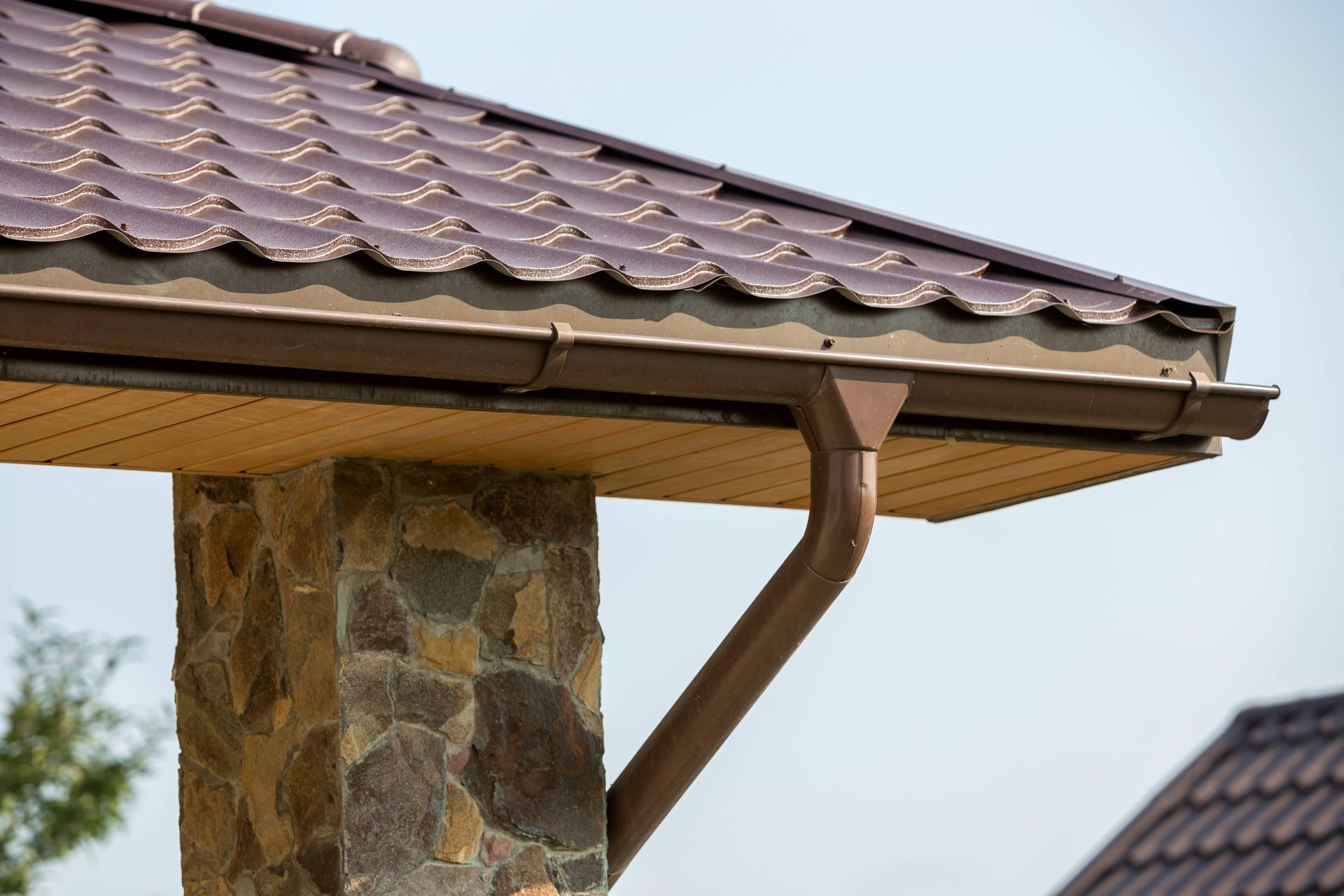
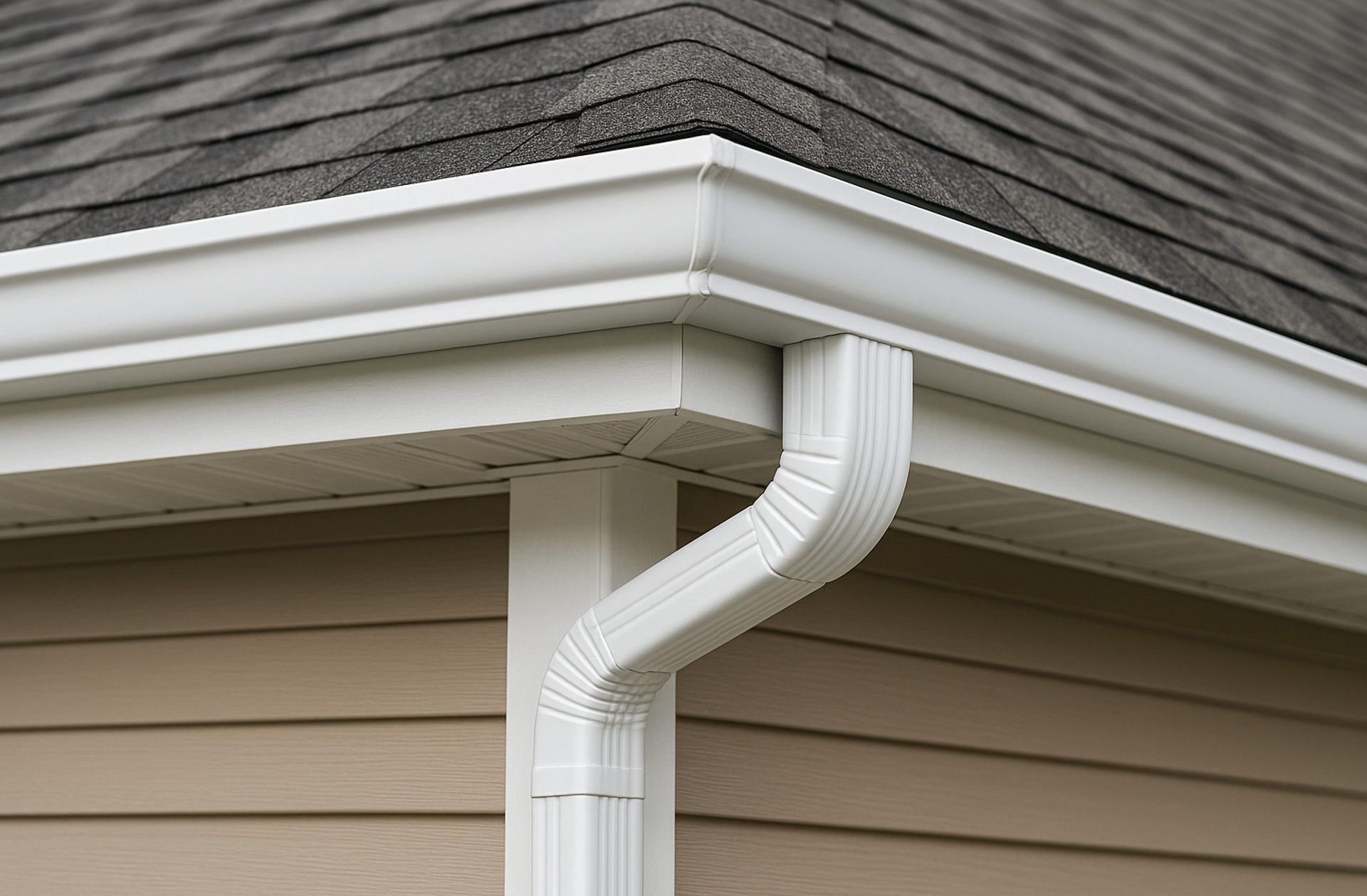
When it comes to choosing the best material for downspouts, aluminum stands out as the clear winner for both performance and longevity. Unlike steel or copper, aluminum doesn’t rust, making it ideal for areas like Southern California where occasional heavy rain mixes with long, dry seasons. It’s lightweight yet durable, allowing for easy installation without adding stress to fascia boards or gutter hangers. Aluminum also resists warping, cracking, and corrosion — even in coastal environments where moisture and salt can damage other metals. With proper installation and maintenance, aluminum downspouts can last decades, efficiently channeling water away from your home while maintaining a clean, polished appearance.

At AD Green Gutters & Screens, we use aluminum gutters and downspouts on 97% of our projects because they deliver the best balance of durability, aesthetics, and value. Aluminum can be painted or powder-coated in dozens of colors, allowing every homeowner to match their gutter system to their roofline or trim perfectly. It’s also highly recyclable and more affordable than copper or steel, offering long-term protection without unnecessary cost. For us, aluminum isn’t just a material — it’s the standard that ensures every installation performs reliably year after year, protecting your property from leaks, clogs, and costly water damage.
What downspout materials are the best?
When looking for the best downspout installation or repair company, start with the fundamentals — experience, licensing, and customer reputation. A reliable company should have years of proven experience in gutter and downspout systems, not just general roofing or construction. They should understand how to properly size and angle downspouts to handle local rainfall patterns without overflow or pooling. Check for a valid contractor’s license, liability insurance, and references from past clients. Online reviews on platforms like Google, Yelp, and Angi can also reveal consistency in workmanship, communication, and follow-up service. Companies that respond quickly, provide detailed estimates, and clearly explain their materials and installation process typically deliver higher-quality results.
Another sign of a top-tier downspout company is customization and attention to detail. The best contractors will match the downspout material and color to your home’s gutters, siding, or trim, ensuring the system complements the property instead of standing out. They’ll also offer options like larger-capacity downspouts, rain chains, or splash blocks for homes in heavy rainfall zones. A professional installer will evaluate slope, landscaping, and drainage routes to make sure water flows safely away from the foundation — not just off the roof. If a company takes the time to inspect your gutters, fascia, and surrounding grade before quoting a price, that’s a strong indicator they’re focused on long-term performance rather than a quick install.

Finally, look for companies that stand behind their work with written warranties and clear maintenance recommendations. High-quality contractors often provide multi-year guarantees on both materials and labor, and they’ll educate you on how to maintain your system through seasonal cleaning and inspection. They may even offer service packages for future upkeep. In short, the best downspout companies don’t just install drainage — they protect your home by combining durable craftsmanship, thoughtful design, and ongoing customer care.