What are half-round gutters?
Summary:
Gutters play a vital role in protecting houses from water damage. They collect rainwater from the roof and channel it away from the foundation, preventing soil erosion, basement flooding and rot. Most homes in the United States use K‑style gutters, which have a flat back and a decorative front shaped like the letter “K.” However, another option exists that has been around for centuries: half‑round gutters. These gutters feature a semi‑circular profile that looks like a pipe cut in half. This article explains what half‑round gutters are, the materials used to make them, how their installation differs from other gutter types, and how long they last. We’ll also discuss the benefits and drawbacks of half‑round gutters and offer guidance on when they might be the right choice for your home.
What are half-round gutters?
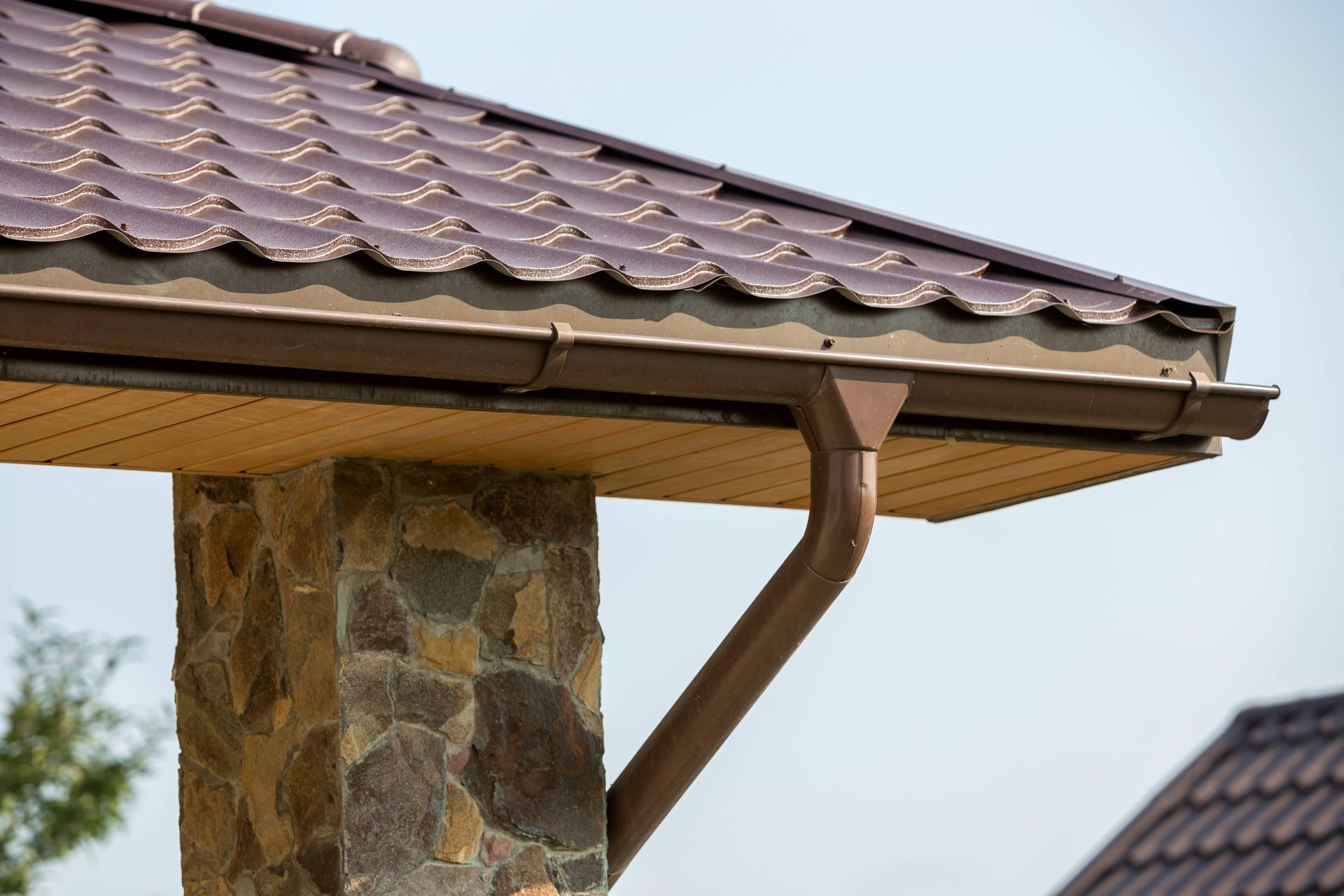
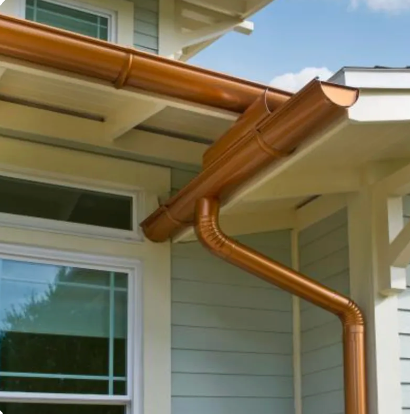
Half‑round gutters have a curved, U‑shaped profile. Imagine taking a round pipe and slicing it lengthwise: the rounded portion faces downward while the open side faces up. Sources describe half‑round gutters as a tube that’s been cut in two. The back side, which attaches to the fascia board, is typically flat, and the front edge often includes a decorative beaded lip. Due to their curved shape, half-round gutters are commonly found on historic or traditional homes. They also complement many architectural styles, such as Victorian, Tudor, Colonial, and Craftsman. In older homes where authenticity is essential, the rounded gutter profile adds charm and maintains historical accuracy.
In addition to aesthetics, half‑round gutters have some functional advantages. Their smooth, rounded interior allows water to flow freely, reducing the likelihood of clogs and corrosion. The design lacks sharp corners where debris can accumulate, making them easier to clean than angular K‑style gutters. Because water drains completely, half‑round gutters experience less standing water, which can help prevent rust and corrosion.
Despite these benefits, half‑round gutters are less common today than K‑style gutters. They hold less water and can overflow more quickly during heavy rain. Their installation is also more complex, requiring special brackets and hangers and often multiple sections joined together. These factors affect both cost and longevity, which we’ll explore later in this article.
Materials used in Half-Round Gutters
Half‑round gutters are available in a variety of materials. Each material has its own characteristics, including weight, durability, appearance, and price. Here are the most common options, along with key information for homeowners to consider.
Aluminum
Aluminum is one of the most popular gutter materials due to its lightweight nature, resistance to rust, and relatively affordable price. Modernize’s guide to half-round gutters notes that aluminum half-round gutters are widely available and fall within a mid-range cost. Aluminum is easy to shape and comes in a variety of colors, making it versatile for different home styles. Aluminum gutters typically last 20 to 30 years, although longevity depends on proper installation and maintenance. The metal is softer than steel, so it may dent if branches fall on it or ladders lean against it. In coastal areas with salty air, aluminum can corrode faster unless it is coated or painted.
Copper
Copper gutters are known for their beauty and longevity. They start with a shiny reddish‑brown color and gradually develop a greenish patina that many people find attractive. Half‑round copper gutters are more expensive than other materials, but they can last over 50 years or even up to 100 years with proper care. Copper is highly corrosion‑resistant and requires minimal maintenance. Due to these qualities, copper gutters are commonly found on upscale homes and historic buildings. The high cost of copper and specialized installation needs mean that homeowners should weigh the investment against the expected lifespan.
Galvanized steel
Galvanized steel gutters are made of steel coated with a thin layer of zinc to protect against rust. This material is strong and can support heavy snow loads. The lifespan of galvanized steel half‑round gutters varies; Modernize lists an average of 20 to 40 years, while This Old House notes a typical range of 15 to 20 years. The zinc coating can wear away over time, leaving the steel vulnerable to corrosion. To extend the life of galvanized steel gutters, homeowners should inspect them regularly and repaint or apply new protective coatings as needed. Galvanized steel is heavier than aluminum, so installation requires strong hangers and fascia boards.
Stainless steel
Stainless steel gutters are less common but provide excellent durability. They do not need a protective coating because the alloy resists rust and corrosion. Stainless steel half‑round gutters can last 50 years or more when properly maintained. These gutters have a sleek, modern appearance and are extremely strong. However, they are more expensive and heavier than aluminum or galvanized steel, which increases labor costs.
Zinc
Zinc gutters are made from zinc or zinc‑titanium alloy. They are similar to copper in that they develop a protective patina over time. This Old House states that zinc half‑round gutters can last about 50 years. Zinc offers good corrosion resistance and requires minimal maintenance, but it is more expensive than aluminum or galvanized steel. Proper installation is crucial because incorrect fasteners or contact with incompatible metals can lead to galvanic corrosion.
Vinyl (PVC)
Vinyl half‑round gutters are the least expensive option and are often used for do‑it‑yourself projects. They are lightweight and easy to cut, but they have a shorter lifespan than metal gutters—typically
10 to 15 years. Vinyl can become brittle in cold climates and warp in extremely hot temperatures. While vinyl gutters are easy to install, they are usually sectional, which means more seams and potential leaks. For these reasons, vinyl is better suited for mild climates and lower budgets.
Installation Differences
Installing half-round gutters differs from installing K-style gutters. The differences stem from the gutter’s shape, the need for special brackets, and the availability of seamless options.
Sectional versus seamless construction
K‑style gutters are often formed on site from large rolls of metal, allowing contractors to create seamless lengths that span an entire side of a house. Seamless gutters have fewer joints, reducing the chance of leaks. Half‑round gutters, by contrast, are usually manufactured in 20‑foot sections. These sections must be joined together with couplings and sealed to ensure a secure connection.
Seamless half‑round gutters do exist, but the machines required to make them are expensive and less common. As a result, half‑round systems often have more joints than K‑style systems, and those joints need regular inspection to prevent leaks.
Hangers and brackets
Because of their curved shape, half‑round gutters cannot be nailed directly to the fascia board like K‑style gutters. Instead, they hang in specially designed brackets or straps that cradle the gutter. Joyland Roofing describes how half‑round gutters are placed in rounded brackets mounted to the fascia, and the installation process requires more time and effort than K‑style gutters.
Hidden hangers used for K‑style gutters clip into the gutter and hook onto the fascia board. In contrast, half‑round hangers are visible and spaced at regular intervals to support the gutter’s weight. These brackets must be precisely positioned to ensure the gutter slopes correctly toward the downspouts.
The brackets and straps for half‑round gutters are sometimes more expensive and harder to find than those for K‑style gutters. Homeowners should factor in the cost of specialized hardware when considering half‑round gutters.
Fascia mounting versus free hanging
K-style gutters attach directly to the fascia, making the installation relatively straightforward. Half‑round gutters often sit slightly away from the fascia because of the brackets’ shape. This creates a small gap between the gutter and the fascia board. Some installers argue that this gap can allow water to get behind the gutter if not properly flashed. Proper flashing and sealant are crucial in preventing water damage.
Professional installation recommended
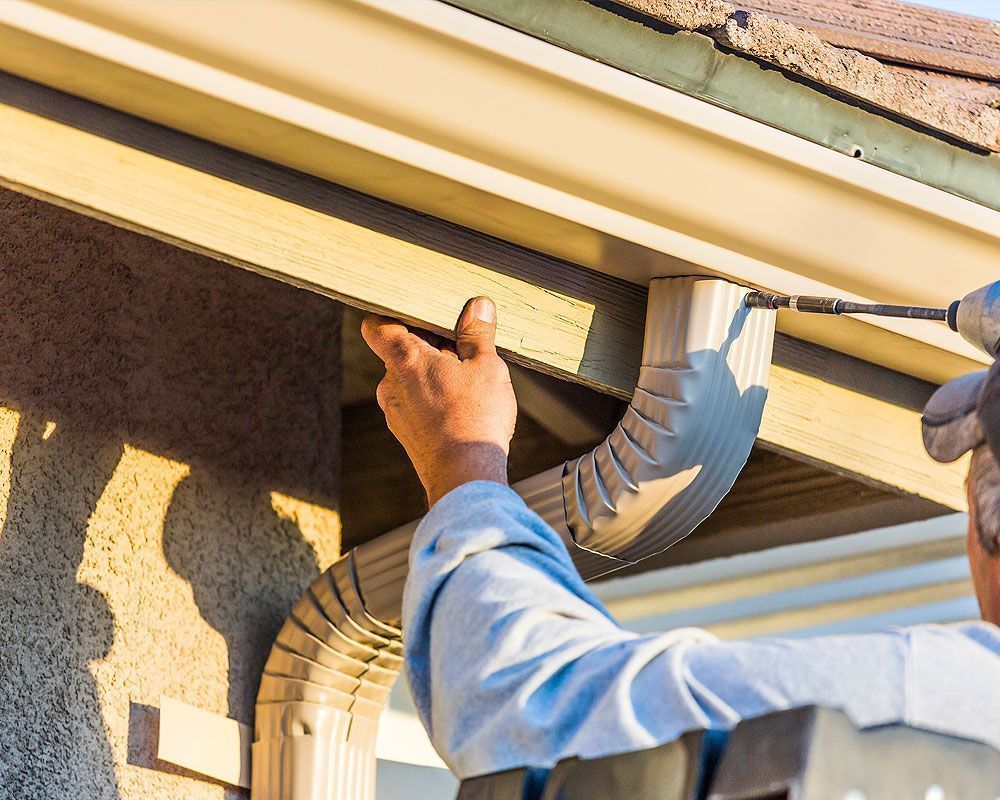
Due to these factors—sections, specialized brackets, and potential gaps—most experts recommend professional installation for half‑round gutters. Half‑round gutters typically require more components and precise alignment. This Old House notes that half‑round gutters “typically require professional installation” because of the complex mounting system and special brackets. While experienced do‑it‑yourselfers can install them, mistakes can lead to sagging, leaks or water damage. Therefore, homeowners should consider hiring a licensed gutter installer who understands the nuances of half‑round systems and can ensure they function properly.
Lifespan and Durability
The lifespan of half-round gutters depends on the material, local climate, installation quality, and maintenance. Below are typical lifespan ranges, supported by credible sources.
Vinyl
Vinyl half‑round gutters last 10–15 years. They are inexpensive but degrade faster in extreme temperatures. UV exposure can cause vinyl to become brittle and crack. In cold weather, freeze‑thaw cycles may cause joints to separate. Because vinyl is flexible, heavy snow or ice can cause it to sag or pull away from the fascia.
Aluminum
Aluminum half-round gutters typically last 20 to 30 years. They resist rust but can corrode in environments with high salt content. Aluminum is softer than steel, so dents and dings are more likely if branches fall on the gutter. Painting or powder‑coating aluminum can improve its appearance and protect it from oxidation.
Galvanized steel
Galvanized steel half-round gutters typically last 20–40 years. The zinc coating protects the steel from rust, but once it wears away, corrosion can occur quickly. In coastal areas with salty air or acidic rain, galvanized steel may corrode more quickly. Regular maintenance, such as inspecting for rust and applying sealants or paint, can extend its lifespan.
Stainless steel
Stainless steel half‑round gutters can last 50 years or more. They resist corrosion well and require little maintenance. Because stainless steel is strong, these gutters can withstand heavy snow and ice without bending or deforming. The primary drawback is cost; stainless steel is one of the most expensive materials for gutters.
Copper
Copper half-round gutters have the longest lifespan, ranging from 50 to 100 years. Copper naturally resists corrosion and forms a patina that further protects it. This patina can change color from shiny brown to greenish blue over time. Copper gutters are also structurally strong. Because they are expensive, they are most often used on high‑end homes or historic buildings where longevity and appearance are top priorities.
Zinc
Zinc half‑round gutters last about 50 years. Like copper, zinc develops a protective patina that prevents further corrosion. These gutters are relatively low-maintenance and offer a distinctive aesthetic. Zinc is less expensive than copper but more expensive than aluminum or steel.
Factors influencing lifespan
The numbers above are general guidelines. Actual lifespans vary based on factors such as:
- Climate: Salty coastal air, extreme heat, heavy snow or ice, and high rainfall can shorten gutter life. For example, aluminum and steel may corrode faster in coastal areas, while vinyl may crack in cold climates.
- Maintenance: Regular cleaning and inspection prevent clogs and rust. Experts recommend cleaning gutters at least twice a year to remove leaves and debris. Checking for leaks and resealing joints can prolong their life.
- Installation quality: Proper slope, secure brackets, and correctly sealed joints reduce stress on the gutters. Poorly installed gutters can sag, leak, or detach prematurely.
- Seamless vs. sectional: Seamless half‑round gutters have fewer joints and therefore fewer potential leak points. Sectional gutters require sealing and periodic resealing of seams.
Benefits of Half‑Round Gutters
Half‑round gutters offer several benefits that make them an attractive option despite their higher cost and installation complexity.
Elegant appearance
The rounded shape of half‑round gutters provides a classic, timeless look. They complement historic and traditional architecture and can enhance the curb appeal of a modern home. Modernize notes that half-round gutters are preferred for styles such as Art Deco, Victorian, Tudor, Colonial, and Craftsman. Gutter Supply emphasizes that many homeowners choose half-round gutters due to their simple, clean lines and how they complement heavy textures, such as slate or tile roofing.
Smooth water flow and less debris buildup
Because half‑round gutters have no corners or sharp edges, water flows smoothly through them. This efficient flow reduces the likelihood of clogs and backups. The smooth interior surface allows debris like leaves and pine needles to wash away more easily than in K‑style gutters, which have creased corners. As a result, half‑round gutters often require less frequent cleaning.
Less corrosion and easier maintenance
The rounded shape helps prevent water from pooling in corners, which reduces the risk of rust and corrosion. With fewer places for water to sit, half‑round gutters are less prone to developing leaks or holes. Homeowners may find that maintenance tasks, such as cleaning and inspecting for damage, take less time because debris is less likely to get trapped.
Compatibility with gutter guards and rain chains
Many modern half‑round gutter systems are compatible with gutter guards and rain chains. Gutter guards help keep leaves and debris out, reducing the need for maintenance. Rain chains are decorative alternatives to downspouts that gently guide water from the gutter to the ground. Half‑round gutters pair well with these accessories and can enhance the aesthetic of a home’s exterior.
Drawbacks of Half‑Round Gutters
Despite their benefits, half-round gutters have some disadvantages that homeowners should be aware of.
Higher cost
Half‑round gutters are generally more expensive than K‑style gutters. The cost difference stems from both materials and labor. The Modernize guide lists a price range of $13.34 to $44.25 per linear foot for half-round gutters, depending on the material used. Copper and zinc options occupy the high end of that range. The need for specialized brackets and more labor also increases installation costs.
Lower water capacity
Half‑round gutters hold less water than K‑style gutters of the same width. Their shallow profile means they can overflow more quickly during heavy rainfall. In regions with intense storms or heavy snowfall, homeowners may need larger‑diameter half‑round gutters or may be better served by K‑style gutters. The This Old House article cautions that half‑round gutters may struggle to handle heavy rain and snow.
Installation complexity
Installing half‑round gutters is more labor‑intensive. They require special brackets and careful alignment. Because they are typically sectional, each joint must be sealed to prevent leaks. The curved shape makes it harder to attach gutter guards designed for K‑style gutters, and there are fewer off‑the‑shelf options for guards and accessories. DIY installation is possible but not recommended for most homeowners; professional installation ensures proper slope and secure mounting.
Potential for gaps
Half‑round gutters often sit slightly away from the fascia because of their hangers. If flashings are not correctly installed, water can run behind the gutter and damage the fascia board. Proper flashing and installation techniques are essential to prevent this issue.
Half‑round gutters offer a blend of beauty and function. Their smooth, curved shape prevents clogs, reduces corrosion, and enhances the appearance of traditional and modern homes. Available in materials ranging from affordable vinyl to premium copper and zinc, half‑round gutters can last from 10 years to over 100 years, depending on the material. Installation, however, is more complex than for K‑style gutters and usually requires professional expertise. Due to their shallower design, half-round gutters can hold less water and may overflow during heavy storms. Homeowners should weigh the aesthetic appeal and longevity of half-round gutters against their cost, water capacity, and the challenges of installation.
When selecting gutters for your home, consider factors such as your home's architecture, local climate, and budget. Consult a professional gutter installer to determine whether half-round gutters are the right choice for your needs. With proper material selection, installation, and maintenance, half‑round gutters can protect your home and add timeless charm for decades to come.
Need help with your gutter project?
Latest Posts